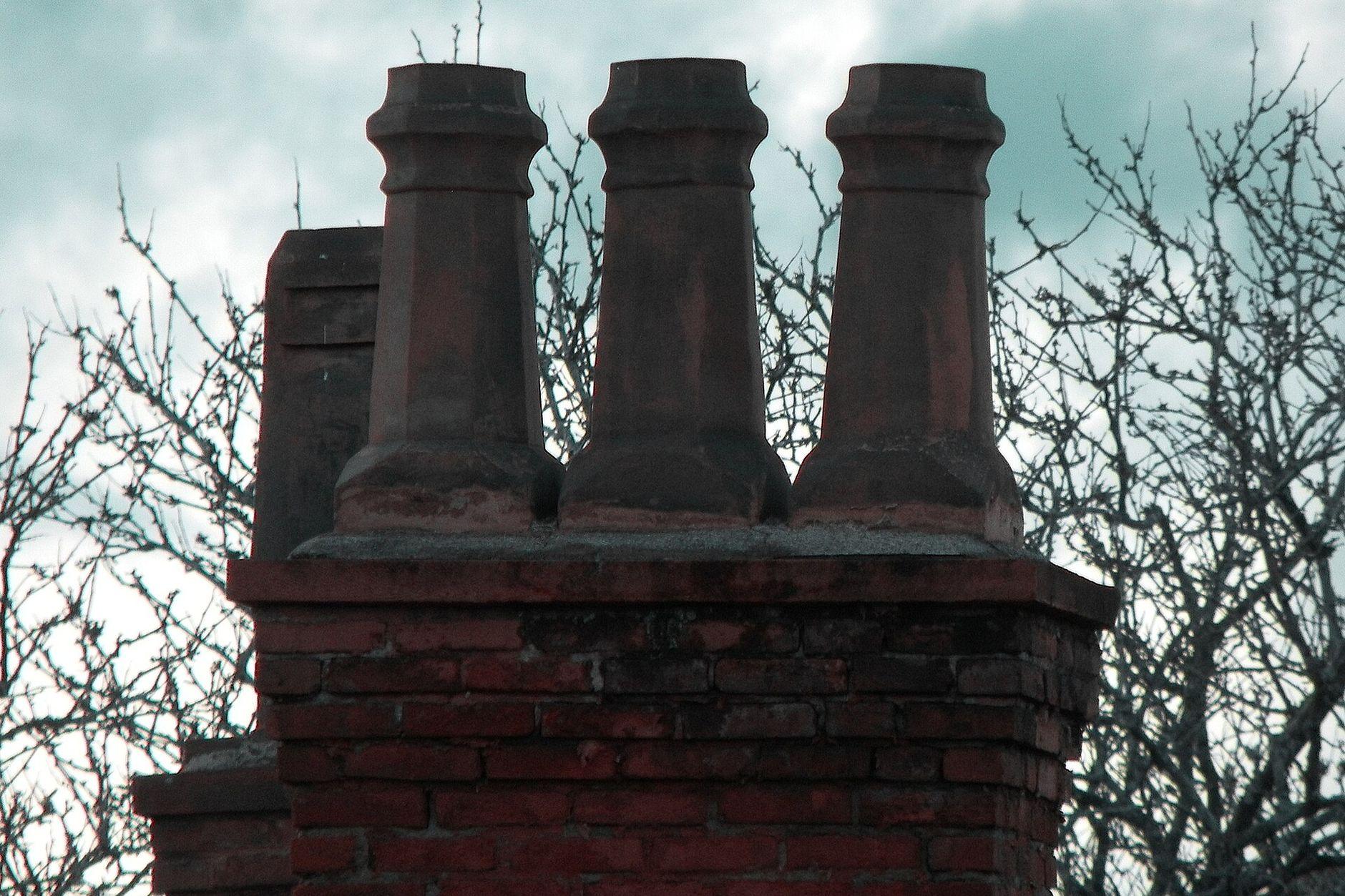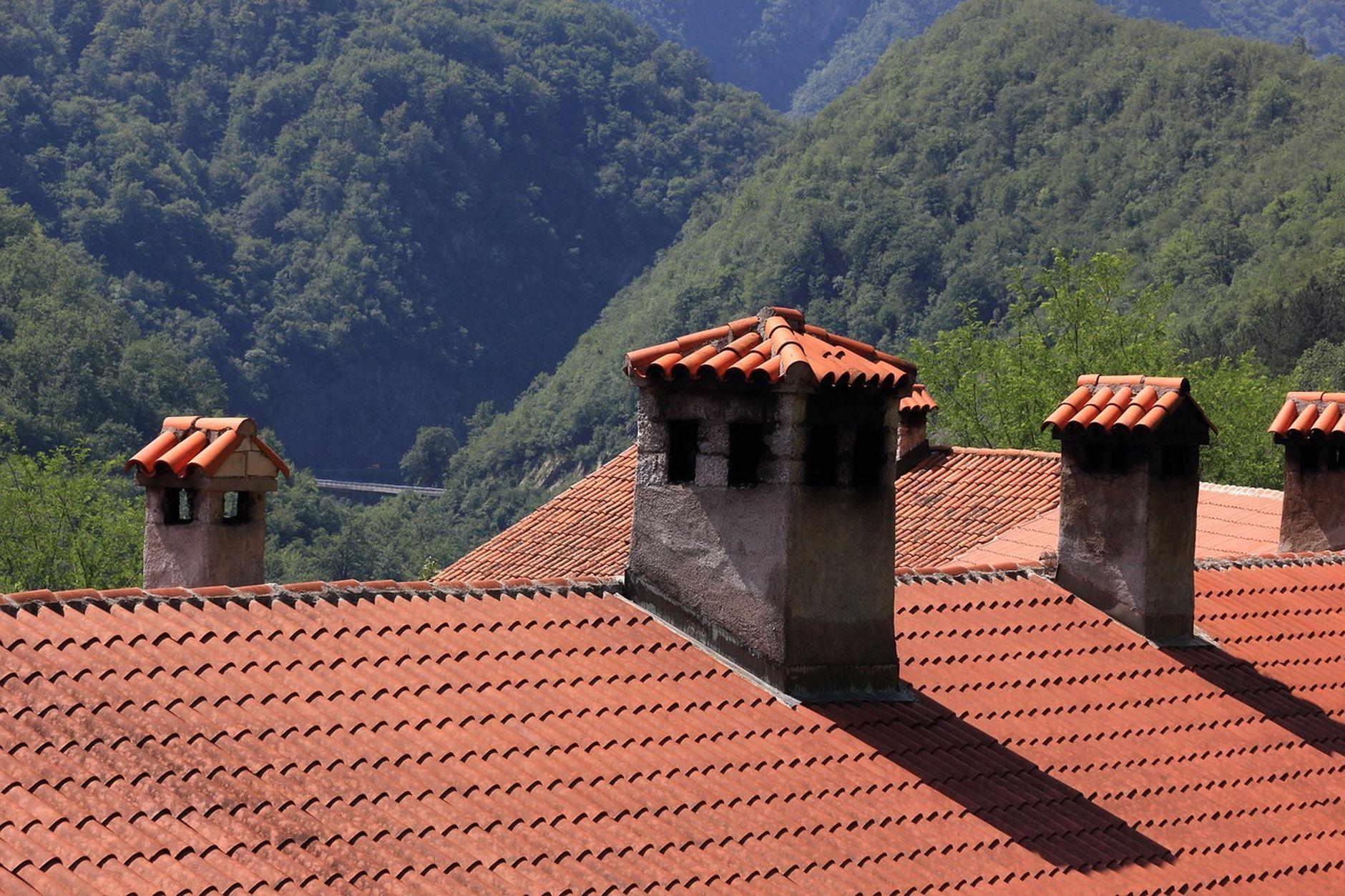
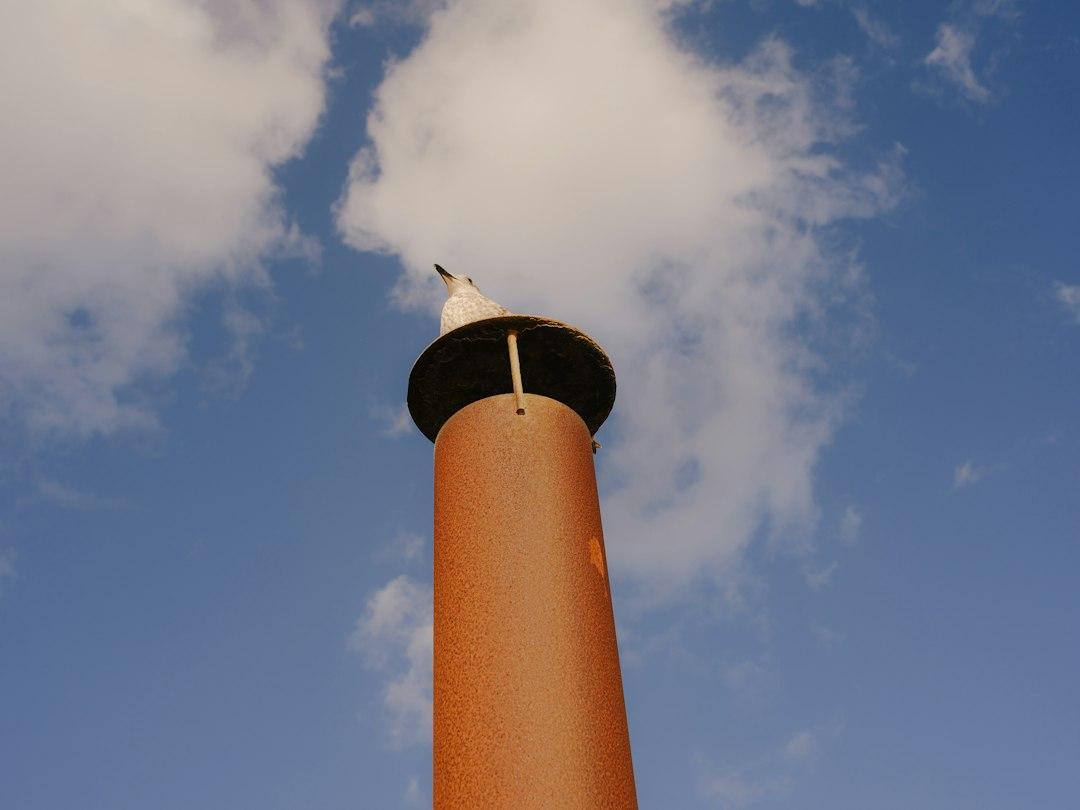
Birds, rats and rain all like a chimney that nobody uses. A flue in an occupied house gets warmed, smoked and noticed. A flue in a house that sits closed for months is a dry tube with a quiet ledge near the bottom, and in spring that ledge is an easy place to build a nest. A cap is the part that stops most of it, and for owners of seasonal houses and rentals it is often the first repair we recommend.
Delaney Chimney Contractors fits caps across Cudahy, Norwalk, Monterey Park and Los Angeles. Installed, a cap from us is quoted after we measure the flue. Below is what sets the cap price, what we look at before we fit one, and why the cap visit is a good time to deal with other things at the top of the chimney.
Why an empty house needs one more than most
When a family lives in a house all winter, smoke and heat tell them something is wrong. A blocked flue smokes the room. A wet damper squeaks. In a house that sits idle, nobody is there to notice:
- A pair of birds can fill a smoke shelf with twigs over one spring
- Rodents use an open flue as a road into the attic or the walls
- Rain lands on the damper all winter and rusts it from the top down
- Leaves collect on the damper plate and dry out through summer
Then someone lights the first fire of the season on top of all that. A cap closes the top of the flue with a mesh that lets smoke out and keeps animals and most of the rain from getting in. For a house you leave for months, it does the job someone at home would otherwise do by noticing.
What sets the cap price
Caps differ because chimneys differ. These things set your cap price:
1. The opening. A small round clay or metal flue takes a small cap. A large square tile or an oversized flue takes a bigger, heavier one. 2. How many openings. One cap per flue is the simple route. A chimney carrying a fireplace flue and a furnace flue side by side may be better served by one wide cap across the whole top. 3. The metal. Galvanized steel costs the least. Stainless lasts longer and costs more. Copper costs the most. 4. Mounting. Some caps clamp inside the flue tile. Others bolt down onto the masonry. A top slab in poor shape changes the mounting, and sometimes the plan. 5. The roof. A one story house with a low pitch is a short job. A tall stack on a steep tile roof takes longer.
Most single flue caps on smaller homes in Cudahy are simple jobs. Wide caps over several openings, and copper caps, cost more.
What we check before we fit it
A cap goes on top of whatever is already in the flue. So before we fit one on a house that has been empty, we look down the flue for a nest, debris or droppings, check that the damper opens and shuts, and look at the masonry the cap will sit on. If there is a nest, it comes out first, or the cap would trap it in.
That check is part of the cap visit. If we find something bigger, like a cracked crown or a flue tile that has shifted, it goes on the report with photos as its own line, and the cap price stays the cap price. You can approve the cap now and decide on the rest later.
Picking the cap for your house
The cap that suits a seasonal house is not always the plainest one. For a house you visit a few months a year:
- Choose stainless or copper if the house is close enough to the coast to get damp marine air, since a rusted cap is the next missing cap
- Ask for a mesh fine enough to stop birds and rodents but open enough not to clog with soot if you burn wood
- If you have more than one flue, ask whether one wide cap costs less than two separate ones on your chimney
- For a gas-only flue, make sure the cap suits the appliance, since some gas vents need the maker's own top piece
Give us the flue count, the fuel and the roof type, and we will tell you which cap likely fits. The price follows once we measure: describe the top of your chimney and what you burn. If you cannot see the top of the chimney from the yard, say so; we look on the visit.
Framed chimneys with a metal flue
Plenty of houses built or remodeled in recent decades have a metal flue inside a framed box, finished in stucco or siding to match the walls. On those, the cap belongs to the flue system, and we fit the one its maker lists rather than a generic cap. The top of the box is closed by a metal pan, and once that pan rusts, water gets past even a good cap. Our chase cover service covers that repair, which gets its own written price once we have seen the box.
Pair it with the opening visit
A cap is a small job, and fitting it during a visit you already need saves a trip. Owners often book the cap with the season opening check, which is $52 for a Level 1 look. If the house is new to you, or something may have happened while it was closed, the $370 Level 2 with a camera through the flue is the better pairing. Our pre-season cost guide explains which suits which house.
If a cap has been missing for years, the damper and the masonry have usually taken the rain. Our leak repair post covers what that damage costs to put right, and our cap installation page shows the caps we fit.
Caps on rentals
Landlords sometimes ask us to fit a cap at turnover so the next tenant starts with a covered flue. That works well, and our report records the cap type and the mesh for your files. Our post on hiring a sweep for a rental lists what else a turnover visit should cover.
Next step
If your flue has no cap, a rusted one, or a nest you have heard but not seen, use our contact page to tell us the house and the number of flues, and we will set a cap visit around your next stay.
Want the Chimney Checked Before You Light It?
Delaney Chimney Contractors looks at the cap, crown, flue, damper and firebox on houses that sat empty, and sends photos to whoever you name. We cover Cudahy, Norwalk, Monterey Park, Los Angeles and the towns around them.